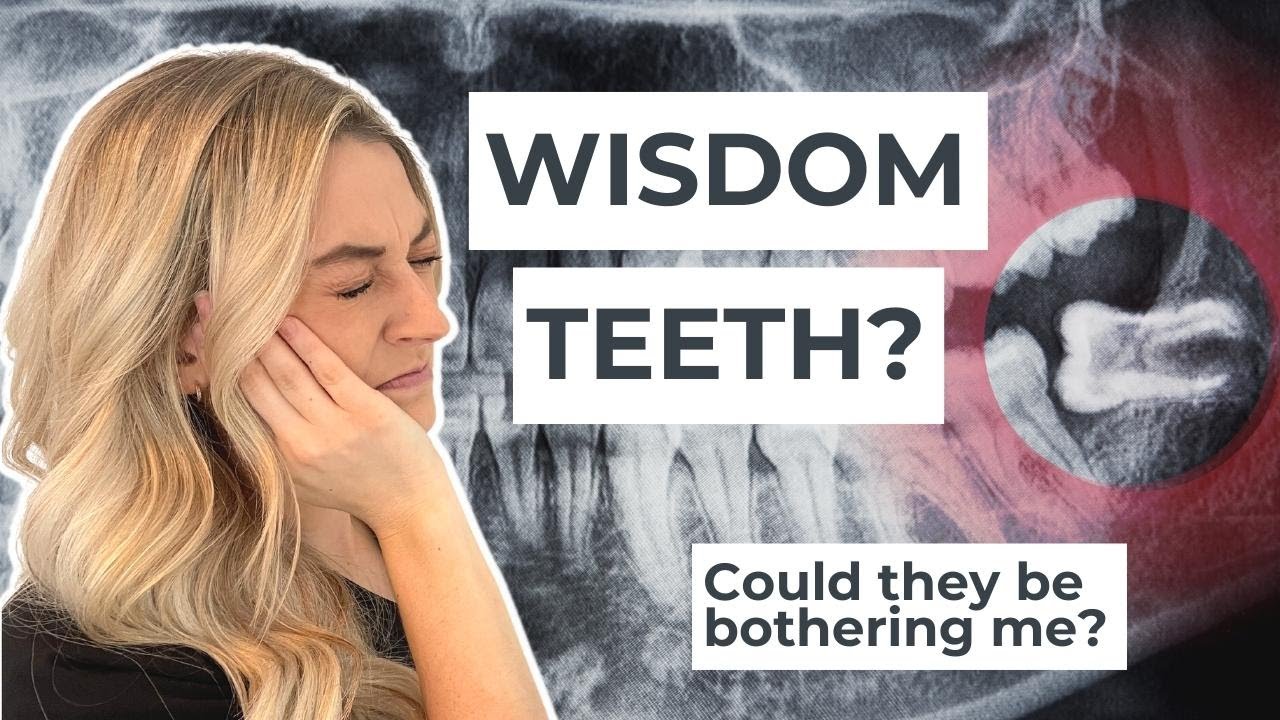
When a tooth infection starts to feel like more than a toothache, it can also start to feel like time is slipping away. Maybe the pain went from “annoying” to “can’t sleep,” and then swelling showed up along your gumline or cheek. Maybe you noticed a bad taste that keeps returning, or you felt feverish and wiped out. If you suspect an infected tooth emergency, the goal is simple: find the right local emergency dentist, get seen quickly, and help your body avoid spiraling into something more serious.
This is one of those situations where small delays can matter. Not because every infection turns into a catastrophe, but because some do worsen quietly, and your best odds come from being assessed and treated early.
What makes an infected tooth an emergency?
Not every dental problem is the same kind of urgent. Some can be managed with a short wait, while others deserve same-day care. With an infected tooth emergency, people often notice a cluster of symptoms that don’t behave like typical soreness.
Common warning signs include:
- Swelling of the gum, face, or jaw Worsening pain, especially throbbing pain that disrupts sleep Fever, chills, or feeling generally unwell Trouble swallowing, breathing, or opening your mouth fully Pus or a persistent bad taste from the affected area
If you have swelling and systemic symptoms like fever, I treat that as a “do not wait” situation. Even if you can still tolerate fluids, the infection can spread through spaces in the face and neck. That is where urgent dental infection help near me becomes more than a phrase. It becomes a practical decision you make with your best information in hand and your safest next step available.
A quick reality check: you may not always see dramatic swelling early. Sometimes the mouth feels “off” first, then tenderness escalates, and only later does swelling appear. In my experience, people often wait for a clear, undeniable sign. If your symptoms are intensifying despite pain relief, that’s a sign too.
A note about pain and timing
Pain relief can mask what’s happening inside the tooth. I’m not saying you should ignore painkillers, but I am saying don’t use them as a reason to delay care when you’re watching symptoms progress. If your infected tooth emergency is changing day by day, or even hour by hour, the safer choice is prompt evaluation.
How to find the right local emergency dentist fast
When you’re searching for an emergency dental clinic tooth infection option, it helps to think in terms of capability, not just location. Two clinics might be “nearby,” but only one may be set up to handle urgent infection cases and provide timely assessment.
Here are the steps that tend to work best when you need help now:
Search specifically for “local emergency dentist infected tooth” or “emergency dental clinic tooth infection” in your area, and open the listings that show same-day emergency availability. Call the office and say your symptoms clearly: swelling location, pain severity, whether you have fever, and how long it has been worsening. Ask if they can see you today or within hours, and whether they have an on-call dentist for severe infection presentations. Confirm what to bring: your insurance details, a list of current medications, and any recent antibiotics or dental work records. If they cannot see you, ask for the fastest referral option they recommend, rather than starting over with another call frenzy.People often call several places without getting to the point. When you do call, lead with the emergency context. “I think I have an infected tooth, I have facial swelling, and the pain is escalating” will get faster triage than “I need an appointment.”
What to listen for on the phone
You’re trying to distinguish between a clinic that can take walk-ins and one that can manage infection-related emergencies responsibly. During the call, pay attention to how they respond to infection symptoms. Helpful signs include clear instructions, triage questions, and an explanation of timing.
If you’re told you should wait a few days while swelling is increasing, that’s a mismatch. If they ask about breathing, swallowing, and the extent of swelling, that’s a better sign that they take urgent dental infection help seriously.
Questions to ask before you commit
Once you find a clinic that seems appropriate, you want to make sure the visit will actually address the urgent part of the problem. With infected tooth emergencies, the immediate aim is to control https://emergencydentistmaidenhead.co.uk the source of infection, reduce swelling and pressure, and prevent spread.
Here are key questions to ask:
- Do you treat emergencies involving tooth infections, including swelling? Will a dentist examine me the same day, and what is the expected timeline? If I’m in severe pain, how do you manage comfort while treatment is planned? Are imaging options available on-site if needed? What are the likely next steps if an abscess is suspected?
If you’re worried about cost, ask what they can tell you upfront about estimated charges. Emergency care can be expensive, but unpredictability and surprise add stress when you’re already dealing with infection symptoms. A clinic that communicates clearly helps you make decisions with less anxiety.
When “24 hour dentist for infected tooth” still needs a careful approach
Sometimes people search for a 24 hour dentist for infected tooth, and they find options that advertise round-the-clock availability. In practice, not every after-hours facility provides comprehensive dental care. Some can evaluate and stabilize you, then refer you for definitive treatment.
That’s not automatically a bad thing, but it is important to understand what “emergency” means for that specific clinic. Ask if they can provide urgent infection management right then, or if they will direct you to the next available appointment with the required tools and expertise.
Preparing for your emergency appointment (and what to do on the way)
While you’re arranging care, you may feel stuck between “I need help now” and “I don’t know what to do first.” The safest approach is to reduce strain, monitor symptoms, and be ready to describe what you’ve noticed.
Bring basic details to the appointment. If you can, write them down: when the pain started, whether swelling increased, any fever you measured, and any medications you have taken. Even a rough timeline helps the dentist triage faster.
Also, think about the short-term practicalities:
- If you have swelling, plan for a ride if possible. Pain and facial tenderness can make driving uncomfortable. If swallowing hurts, stick to small sips of water and avoid hard or sharp foods. If you’ve been using pain medication, bring the names and dosages so the team can avoid repeating doses.
Edge cases that change how urgently you should seek care
If you experience trouble breathing, trouble swallowing, or rapidly increasing swelling, don’t spend time calling multiple offices. Seek the most urgent care option available in your area and tell them it’s an infected tooth emergency. The goal is immediate assessment and stabilization, because those symptoms can signal more than localized dental infection.
Even if the source is dental, the danger is still systemic and airway-related. You want care that moves quickly.
What treatment usually looks like for an infected tooth emergency
Every case is different, but most emergency visits follow a similar logic: assess severity, check for spread, identify the source, and start resolving it. In a true emergency dental infection setup, the dentist typically focuses on draining or relieving pressure when there’s an abscess, treating the underlying problem, and planning follow-up for definitive care.
You might hear terms like abscess drainage, root canal evaluation, or extraction planning depending on the tooth and how far the infection has progressed. If antibiotics are recommended, it’s usually because the infection has spread or appears likely to. Antibiotics alone may not fix the source, but they can be an important part of the stabilization plan.
A good emergency dentist will also address aftercare, including warning signs that mean you need to return urgently. That’s one of the most valuable pieces of the visit because it turns your anxiety into action. You’ll know what “worsening” looks like and when to stop assuming it’s just healing.
If you’re searching for emergency dental infection help near me, aim to choose a clinic that treats the tooth infection as time-sensitive, asks the right questions, and gives you a clear plan for what happens next. In an infected tooth emergency, the right local emergency dentist can make the difference between “handled today” and “dragging on.”